

Whilst some in China might have thought it was a surprise, the fact that Antonelli has now won in Japan too leaves no room for doubt: he’s in with a chance of winning the world championship.
Let’s take a closer look at how this latest Grand Prix went.
THE GOOD
- Mercedes arrived at Suzuka with the car to beat, but the weekend was a mix of good fortune and internal setbacks. Kimi Antonelli had a crazy race: starting from pole position, he botched his start and slipped back to sixth place. However, the Safety Car deployed following Bearman’s crash worked in his favour, allowing him a ‘free’ pit stop. From there, with a clear run, he dominated, winning by a 14-second margin, setting fast lap after fast lap and becoming the youngest ever leader of the world championship standings.
George Russell was the team’s unlucky man. Having also made a poor start, he had fought his way back up the field, but found himself on the wrong side of the Safety Car having already made his pit stop a lap earlier. He finished fourth, but knowing he had lost valuable ground in the world championship. His statement at the end of the weekend was nothing short of ridiculous: “All the problems seem to come my way, which is quite frustrating.” He’s clearly gnawing at his nails.
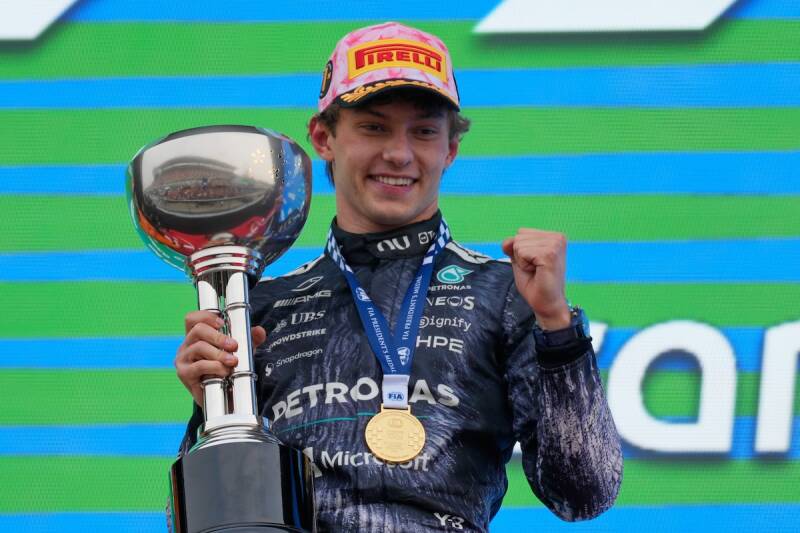
- In the ‘How on earth did this happen?’ series, we need to talk about McLaren and Oscar Piastri. After a double retirement in China, McLaren needed to bounce back – and they certainly did. Oscar Piastri got off to a flying start, slipping through on the outside at the first corner to take the lead. His race was solid: he held off Russell in the first stint and looked set to fight for victory, but the Safety Car penalised him, dropping him to second place. An incredible result considering how the season had started. Team principal Andrea Stella admitted that the strong result came as a surprise, explaining that the new Suzuka tarmac had helped with managing front-tyre graining, an Achilles’ heel of the MCL40. Lando Norris, on the other hand, suffered from reliability issues and a lack of set-up all weekend, managing to climb back up to fifth place.

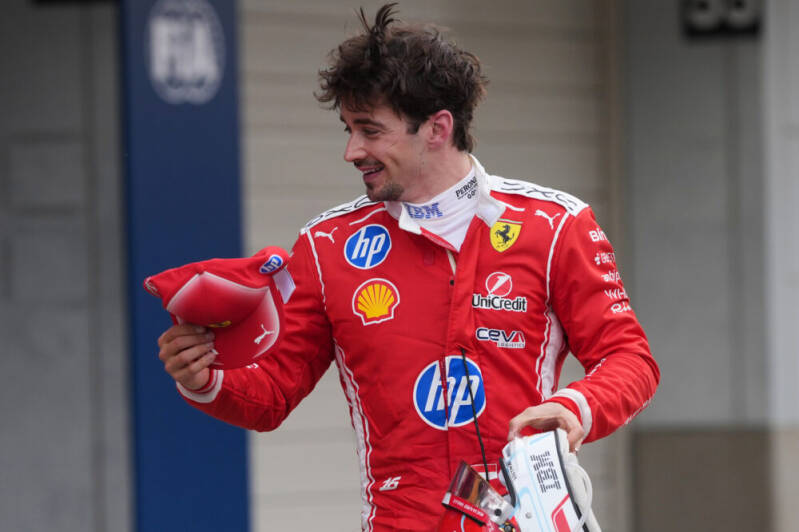
- For Ferrari, it was a “complicated” and “difficult” weekend, as Leclerc and Hamilton themselves put it. The SF-26 proved to be twitchy and lacking in competitiveness over a single lap, with the drivers struggling to find the right feel, particularly in the first sector with its many fast corners. Charles Leclerc salvaged the result with a third-place finish, defending strenuously against Russell in the closing stages, once again demonstrating his race-day consistency. Lewis Hamilton, on the other hand, admitted he did not feel comfortable in the car, finishing sixth and failing to replicate his podium performance in China. One incident sparked some heated debate: Leclerc asked over the radio to overtake Hamilton, a sign that the internal pecking order is set to be fiercely contested.
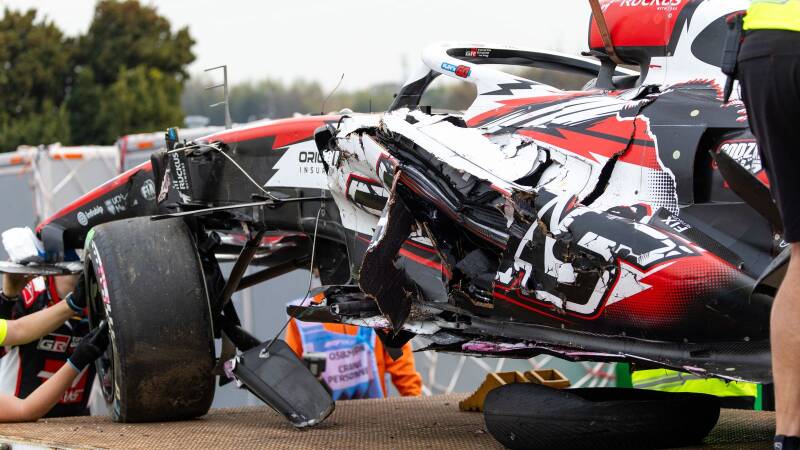
- Haas has had a mixed weekend. Esteban Ocon secured an excellent seventh place, capitalising on the car’s reliability in a tight battle in the midfield. However, the team was at the centre of the race’s most frightening moment: Oliver Bearman was involved in a violent 50G crash. The driver emerged in pain but unharmed, thanks to the survival cell. The incident sparked a heated debate about the safety of the new regulations, with Bearman revealing that drivers and the FIA had been warned of the risk of similar accidents linked to the speed difference between ‘harvesting’ and ‘boost’. These new rules are currently failing to inspire any enthusiasm; indeed, they even appear dangerous.
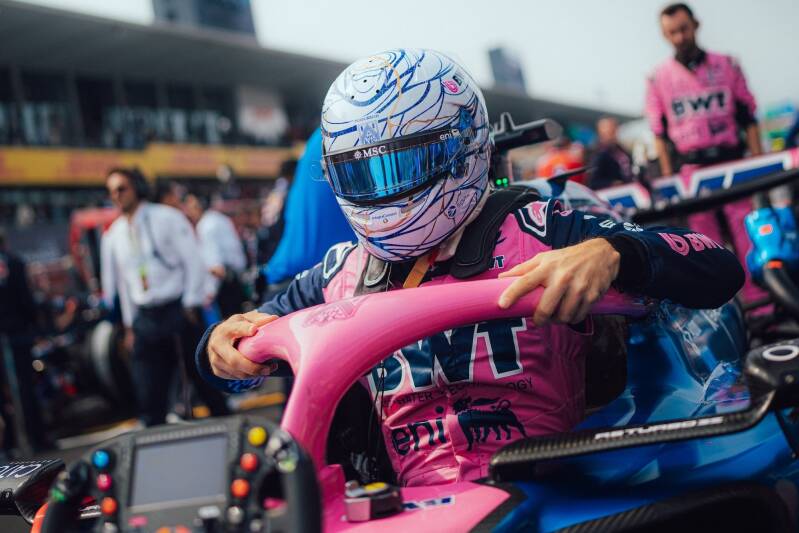
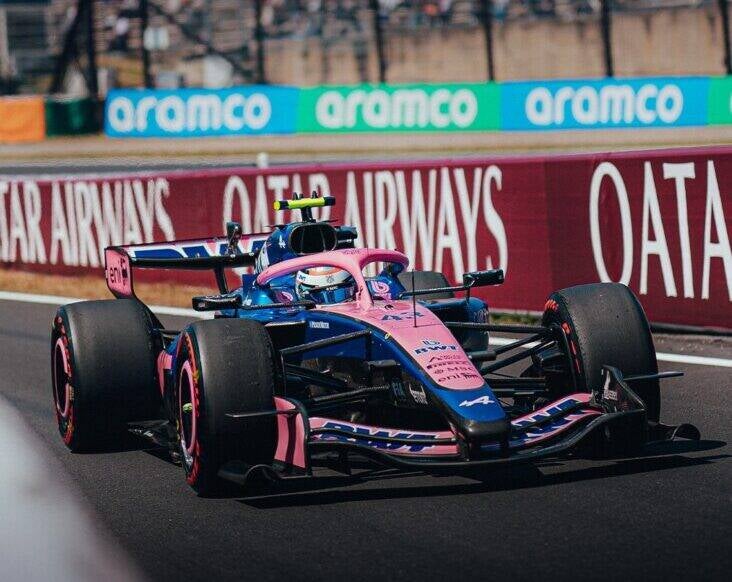
- Alpine is showing significant progress, making the most of the Mercedes engine (considered the best of the lot). Pierre Gasly put in a solid performance, holding off Max Verstappen for a long time and finishing eighth. In terms of performance, however, the car appeared competitive in the points-scoring positions.
- Racing Bulls has established itself as one of the positive surprises of the start to the season, managing to do what the official Red Bull team cannot: maximise results when raw performance is lacking. Lawson admitted that the VCARB 03 “wasn’t that fast” at Suzuka, but precisely for this reason, the points haul bodes well for when the car becomes truly competitive. Lawson also highlighted how the new 2026 regulations have radically changed the approach to driving: energy management has now become more important than pure set-up, and making a mistake in this area has very serious consequences. For rookie Arvid Lindblad, the weekend proved more challenging. Despite making it through to Q3, a slow pit stop and unfortunate timing with the Safety Car saw him slip out of the points.

THE BAD
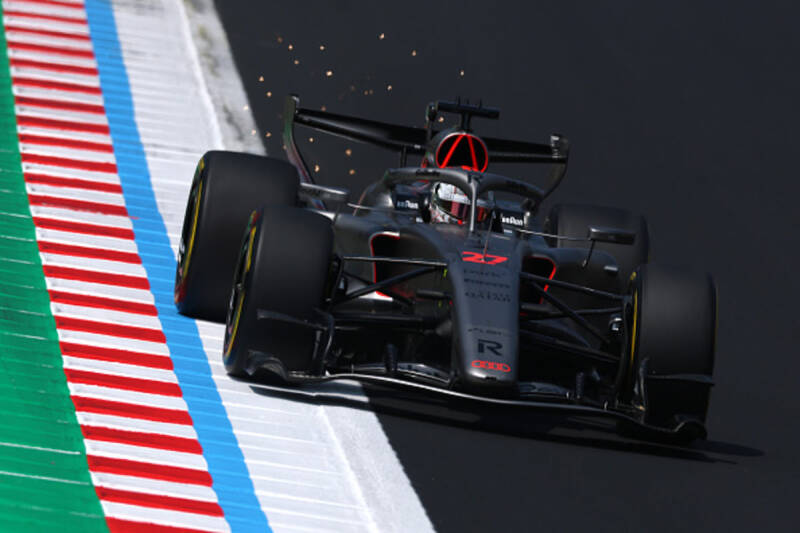
- It was a positive weekend in terms of reliability for Audi (both cars finished the race), but they are still a long way from the points. Nico Hülkenberg found a good feel for the car, whilst Gabriel Bortoleto lost valuable time in FP2 due to a precautionary gearbox change, but still managed to gather useful data. Former driver Timo Glock noted that the Audi showed some promise in the fast corners of the first sector, with less understeer than other cars. However, the April break will be crucial for improving reliability: Gabriel Bortoleto missed most of FP2 due to the gearbox change, a procedure that limited his running on a circuit he was unfamiliar with. The German team knows it needs to make a significant improvement in its race-weekend performance to consistently challenge for points.
THE UGLY
- Franco Colapinto was at the centre of controversy for his involvement in the incident with Bearman. Although the FIA did not deem it necessary to investigate, footage showed a sudden braking manoeuvre and reverse that caused the high-speed collision. In our opinion, it warranted an immediate disqualification.
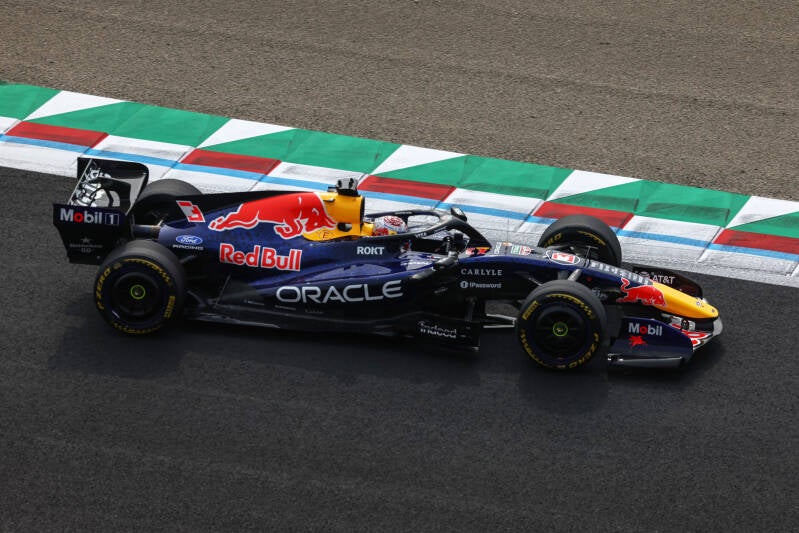
- Red Bull were expected to be among the top four, but are currently battling it out with Alpine and Haas. Max Verstappen, a four-time winner at Suzuka, was eliminated in Q2 and started 11th. In the race, he struggled enormously to get past Gasly, finishing ninth. His spirits are at an all-time low, to the extent that he has hinted at the possibility of leaving F1 at the end of the year if things do not improve.
Laurent Mekies stated that there is no single weak point, but that the team needs to work on all aspects. The break before Miami will be crucial in trying to avoid slipping further down the standings.
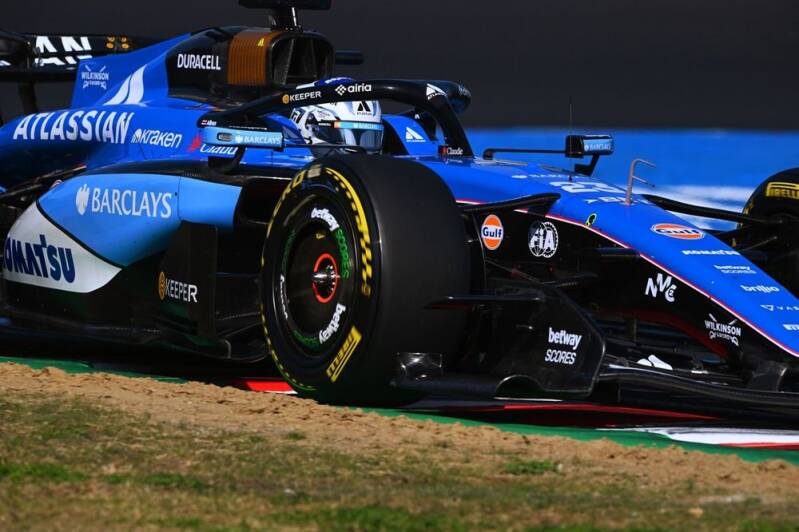
- A weekend to forget for Williams. The situation is dire: Carlos Sainz, despite a flawless race, could do no better than 15th place, whilst Alex Albon finished 20th, using the race as a test to gather data for the future. Vowles has promised that the team will return to Miami with a car “capable of fighting for points”. Performance fell short of expectations, with Alex Albon admitting that Friday had been “more positive”, only to fail to replicate that in the race. The car never had the pace to get into the midfield battle, leaving the drivers languishing at the back of the field.
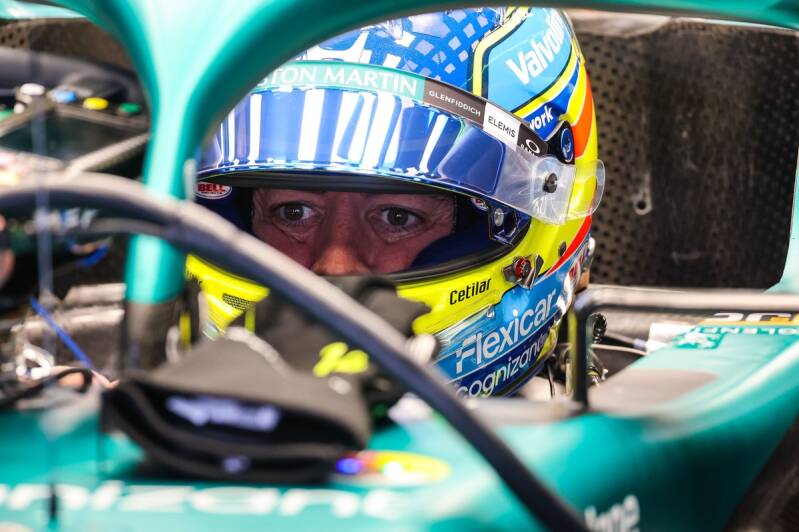
- Aston Martin is still without any points. Fernando Alonso managed to finish the race despite the car suffering from worrying vibrations. The performance is embarrassing given the team’s budget and expectations, and the team seems to have lost its way with the start of the new technical era. Mike Krack, the team’s chief operating officer, has asked everyone to “focus on the positives”, but he admitted in no uncertain terms that the deficit is huge: “We’re not competitive in fast corners, we’re not at minimum weight”. The most worrying issue concerns the vibrations in the steering wheel, which had already forced Alonso to retire in China. Although a potential fix was found, it could not be used in the race because it was not safe. The five-week break will be devoted to resolving this structural issue, but the first performance updates will not arrive before the summer (Silverstone or Spa). For now, the situation is dire.
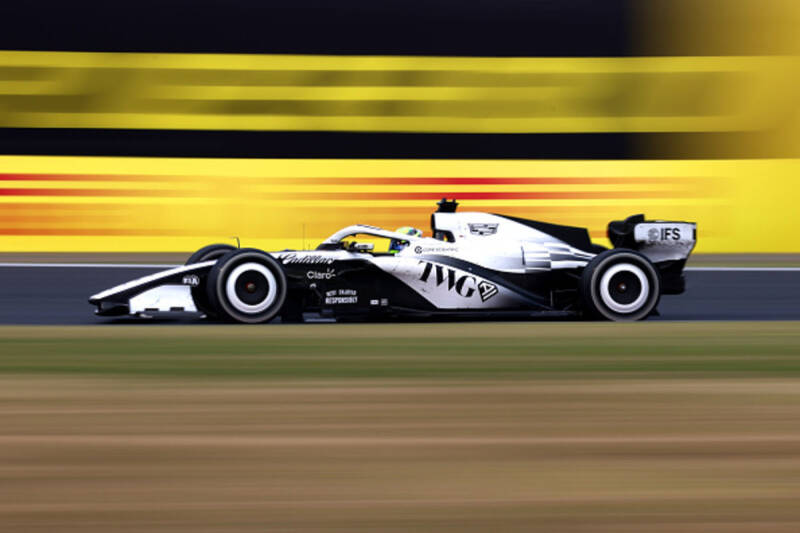
- For Cadillac, the aim was to see the chequered flag. Sergio Pérez described the Suzuka race as “our strongest since the start of the year”. The Mexican finished on the winner’s lap (without being lapped) and, more significantly, clearly outperformed both Aston Martins in qualifying and in the race. The differentiated strategy did not pay off. The important figure is another: after the reliability issues of the first few GPs, at Suzuka both cars saw the chequered flag for the second consecutive race. Team principal Graeme Lowdon highlighted the progress in terms of execution and reliability, but sent a clear message: the real test will be Miami, where a significant update package is expected. For now, the impression is that a fledgling team is making faster progress than established teams such as Aston Martin and Williams.
Now heading to Miami in just over a month’s time.
Aggiungi commento
Commenti