

The first weekend of the year. There were plenty of high-profile events on the cards. Some lived up to expectations, others didn’t. Let’s start with the debrief.
THE GOOD
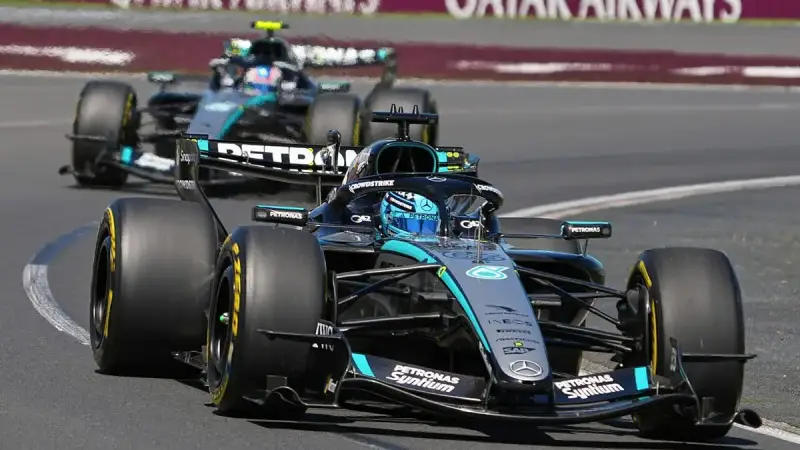
- Mercedes seems to be a step ahead of everyone else, despite the controversy surrounding the compression.
They won thanks to a perfect strategy and impeccable tyre management. They capitalised on every opportunity (the VSCs) and their drivers were brilliant at maintaining a steady pace without wearing out the tyres. This is a sign of maturity.
Russell has officially established himself as the lead driver, whilst Antonelli has demonstrated incredible composure and talent. Mercedes no longer needs a charismatic ‘number one’; it has a very strong and close-knit pair of drivers.
The only downside? The start.
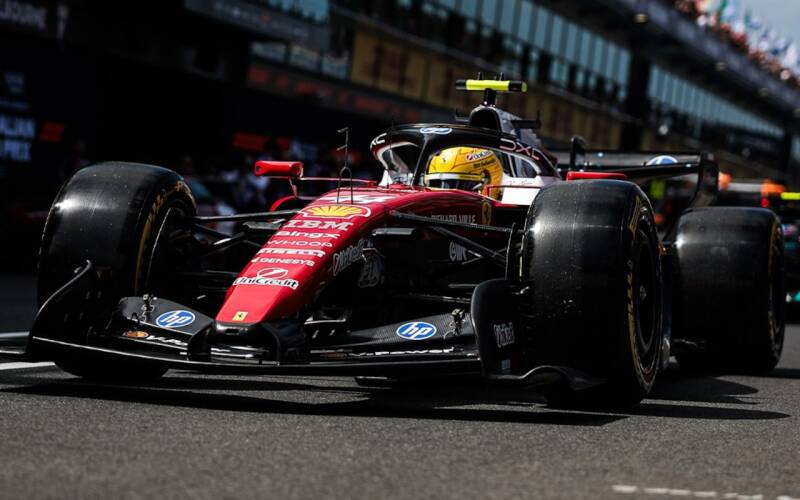
- There’s a bitter taste in the mouth at Ferrari. The result itself isn’t bad. You could even say that bad luck really played a part, with Bottas’s Cadillac coming to a halt right at the entrance to the pit lane, causing it to be closed for safety reasons.
The SF-26 was lightning fast off the line. The pace in the opening laps was top-class. Leclerc really gave it his all, as if he were a little dog fighting over a bone with a bigger dog.
The difference between the drivers is certainly worth highlighting. Leclerc seems more experienced than Hamilton. We are still waiting for the seven-time world champion to demonstrate his talent;
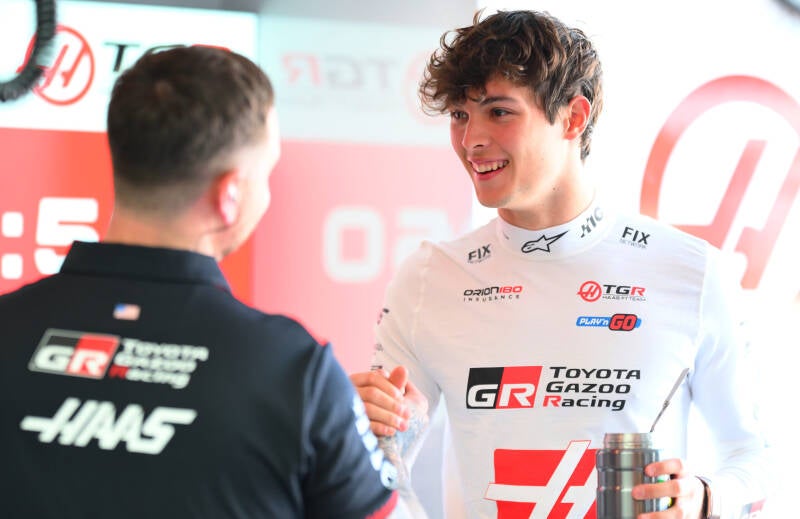
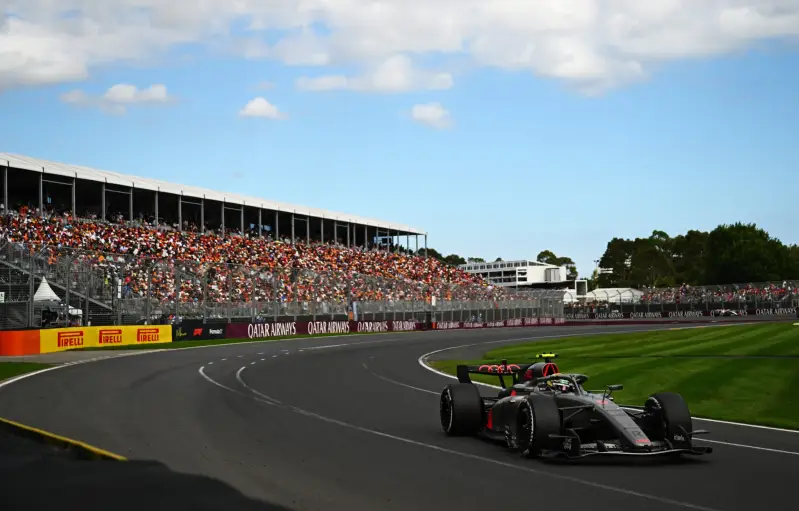
- Oliver Bearman was impressive. We knew Haas had pulled a decent little car out of the hat, but it has to be said that the driver did a tremendous job. A great performance. He continues to impress and highlight the difference between himself and his team-mate.
Overall, Haas had a solid, error-free weekend, confirming its status as a reliable midfield team. Both cars finished the race without any technical issues, a result that is by no means a given in this new era of regulations. Their strength? They don’t have any obvious ones. The only real regret is that Ocon failed to overtake Gasly and secure a point.
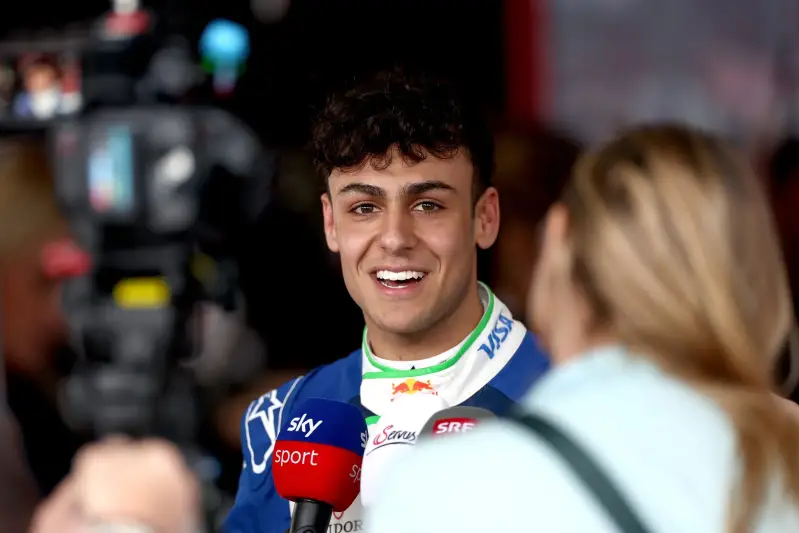
- Well done to Lindblad too.
Who would have expected it? Has Helmut Marko got it right yet again? Only time will tell. Both he and Lawson finished the race without any technical issues, a result that was by no means a foregone conclusion in this new era of regulations. Racing Bulls made the most of the car’s potential, proving that they had worked well over the winter. With two young and talented drivers, they can aim to be a regular presence in the points.
- The Audi was undoubtedly the big positive surprise of the weekend. On its debut in Formula 1, the team managed the feat of scoring points straight away. As Jonathan Wheatley put it: ‘If someone had told me we’d score points in the first race, I’d have called them a drunk.’ What a story.
The Audi power unit proved reliable and the car showed good race pace, confirming that the development work is on the right track. Nico Hülkenberg was unable to start due to a fault in the telemetry system and a subsequent fluid leak. The team missed out on the chance of a one-two finish in the points, not least because the German has repeatedly shown himself capable of unexpected feats over the past year.
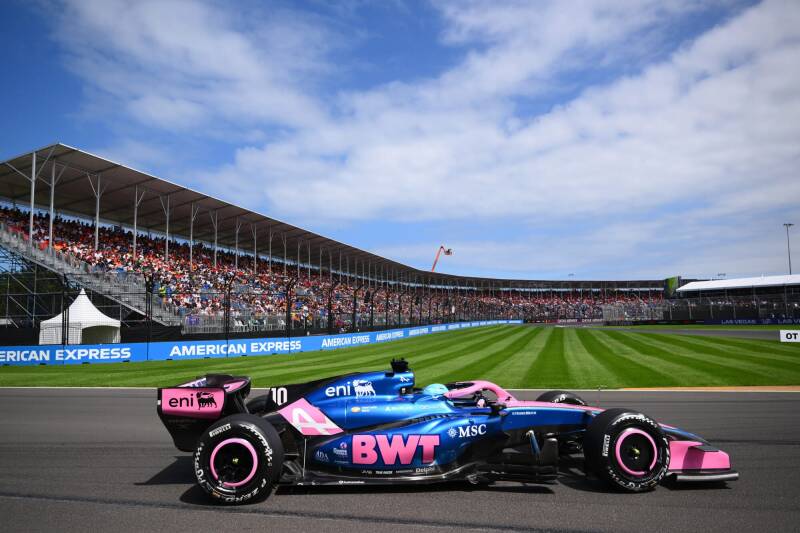
- What can we say about Alpine? Last year, they would have given their house away for a single point. This year, they’ve made it to the first race. With Gasly, of course – who else?
The team has openly admitted to the problems. Alpine’s boss, Steve Nielsen, used a fitting metaphor: “We’ve lost a fiver and found a pound coin”. A way of saying that the final result fell short of expectations. This demonstrates progress compared to last year. Franco Colapinto was crystal clear: “In the corners we’re very slow when you look at the GPS; we have no grip, we have no downforce”.
A problem with understeer at high speeds that had already emerged in Bahrain but was amplified by the characteristics of Albert Park. What is most worrying is the comparison with the tests in Bahrain. Alpine had started with a good feeling, but in Melbourne it lost performance inexplicably. Colapinto admitted: "We don’t understand such a huge lack of performance compared to the other teams".
The team has announced that it will bring updates to resolve the issue, but they won’t be ready for the next race in China. This means Alpine will have to ‘carry this wound’ for at least another weekend.
THE BAD
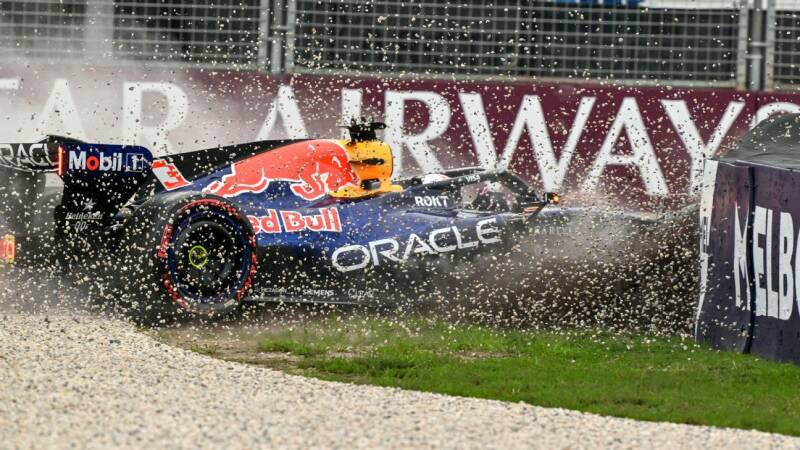
- Verstappen’s comeback from 20th to 6th place is worthy of applause (it was almost a foregone conclusion), but we mustn’t be under any illusions. The truth is that the crash in qualifying masked the RB22’s real problems. Let’s be honest: if Verstappen had started from the front, would he have been in contention for the podium? With Mercedes and Ferrari so fast, it’s fair to doubt it. Red Bull at the moment it is the third-strongest team and must work hard to return to the top.
THE UGLY
- Among the top teams, McLaren has been a disappointment. Piastri’s race was a disaster. What happened is beyond words. Norris performed poorly, appearing to be content with the situation. The worrying thing is that Norris finished 51 seconds behind Russell. Team principal Andrea Stella explained that: "The problem lies not with the hardware, but with the optimal utilisation of the power unit". In the new F1, how energy is distributed, software management and the integration between engine and chassis are of paramount importance. Mercedes, as a works team, starts with a level of knowledge and simulation capability that customers like McLaren do not possess.
In practice, they have the same instrument, but they do not yet know how to play it as well as their colleagues. Fortunately, it is the first race. The foundation is sound; improvement is both possible and necessary.

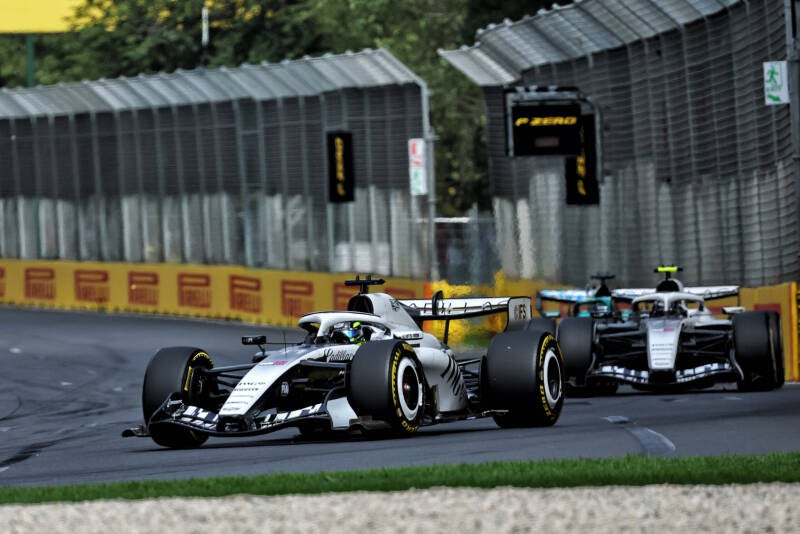
- Williams has been a huge disappointment. In testing, they seemed to have things under control after what happened in Barcelona.
Alex Albon was brutally honest in describing the situation: "It was a long race for us. At the moment we’re in no man’s land and we’re not competing with the midfield. From the lap times, it’s clear we’re overweight and not generating enough downforce, and graining has also been a problem for us. We need to find at least half a second to start thinking about being part of the midfield battle. We’re only ahead of Aston Martin and Cadillac”.
The FW48 is overweight. It also lacks downforce, which also affects graining.
Another issue is the PU: Vowles has made it clear that Mercedes isn’t withholding information, but the works team has superior knowledge of how to make the best use of energy and software. It’s a gap in know-how that Williams will need to bridge quickly.

- For Cadillac, a team making its debut, the word ‘failure’ is not appropriate. However, it was still a difficult weekend.
The biggest challenge for a new team is operating on two fronts. Technical Director Pat Symonds explained that: "Putting two cars on the track isn’t twice the work, but four times as difficult". The lack of operational continuity took its toll. Valtteri Bottas’s car was forced to retire due to a fuel system issue, whilst Sergio Perez managed to bring his car home in 16th position. The team nevertheless celebrated the historic milestone of seeing one of their cars cross the finish line at their first Grand Prix.
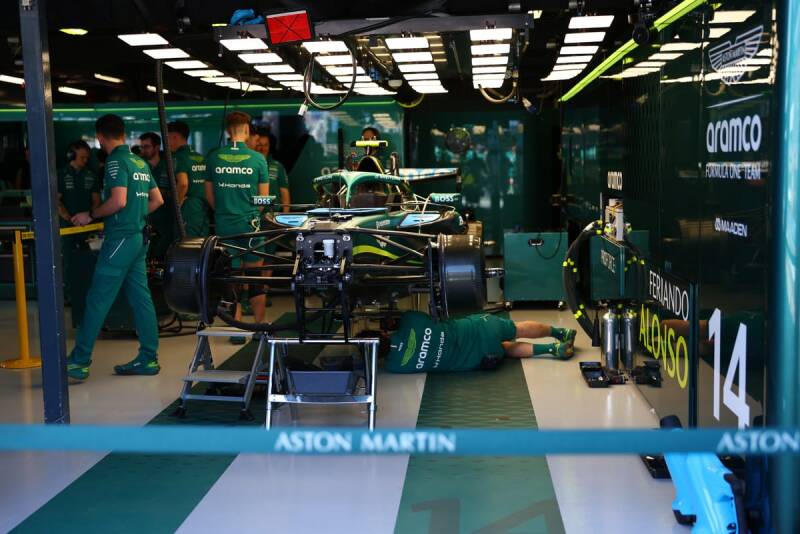
- And then there’s Aston Martin. Poor Alonso – his difficult relationship with Honda continues.
The situation is by far the most worrying. Expectations for 2026, with the arrival of Adrian Newey and the partnership with Honda, have turned into a nightmare. The car is light years away from the top. In practice, the gap to the front-runners was around 5 seconds. The main problem is a Honda power unit suffering from vibrations so violent that they put the drivers at risk. Adrian Newey has revealed that Fernando Alonso and Lance Stroll risk permanent nerve damage, which is why they can only complete a very limited number of laps. The crisis is such that the team has literally run out of batteries. Newey stated that he arrived in Melbourne with four batteries, but following the problems, only two remain operational. There are no spare parts, and Newey himself described the situation as ‘frightening’. Underlying it all is an organisational crisis. Newey explained that Honda, after leaving F1, had to rebuild its racing department with inexperienced staff, starting far behind the competition. This has created a knock-on effect that is that is “sapping all the energy” from the team, both technically and emotionally.
Did we have fun? Yes, even though this F1 car has a ‘racing’ spirit that’s not very ‘racing’ at all.
Aggiungi commento
Commenti